
📑 Table of Contents
- Can You Realistically Commute by Bike in Dubai?
- What Are the Best Bike Commuting Corridors in Dubai?
- What Type of Bike Is Best for Commuting in Dubai?
- Commuter Logistics: Bags, Locks, Parking, and What to Wear
- How Much Does Bike Commuting Save Compared to Taxis and Metro?
- Can You Take a Bike on the Dubai Metro?
- Safety Essentials and RTA Requirements for Cyclists
- Frequently Asked Questions About Bike Commuting Dubai
- Conclusion
Dubai recorded 57.3 million cycling trips in 2025, a 23.5% jump from the previous year. The city's cycling network now stretches over 636 km, with 13 new tracks completed in early 2026 and a target of 1,000 km by 2030.
Most residents still assume bike commuting Dubai is unrealistic. The infrastructure says otherwise.
This guide covers routes, bike types, cost savings, metro rules, safety requirements, and heat management for anyone considering cycling to work in Dubai.
Can You Realistically Commute by Bike in Dubai?
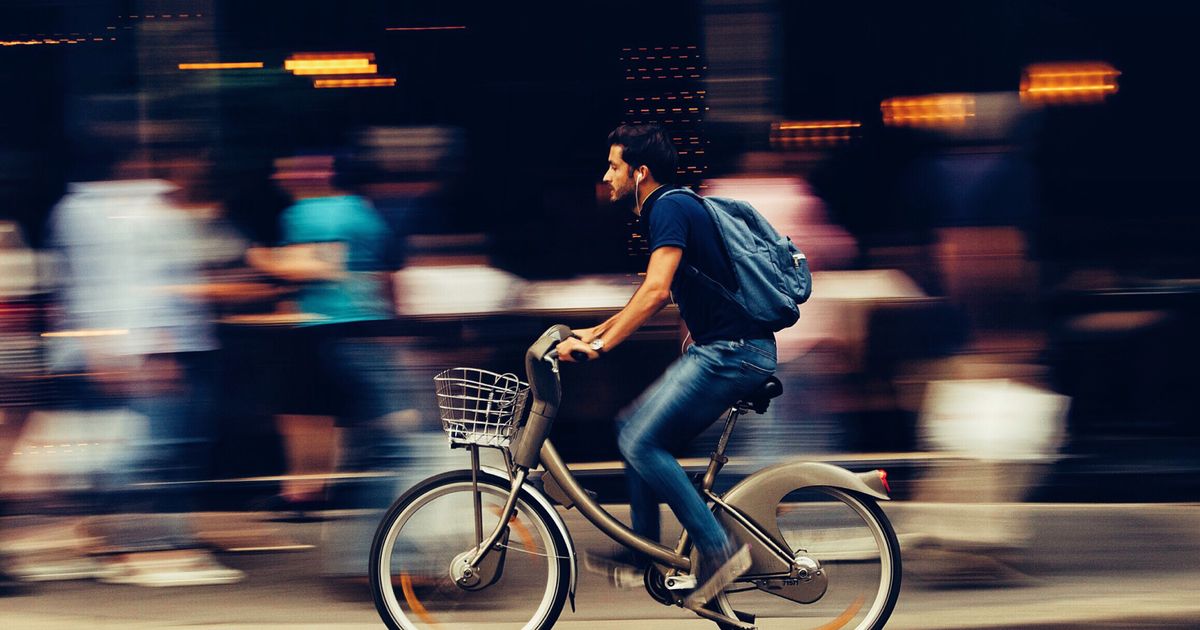
Bike commuting works well for distances under 10 km in Dubai, especially along corridors with dedicated cycling tracks and lower-speed residential roads.
The practical sweet spot sits at under 10 km one-way. Beyond that, heat and travel time make daily cycling impractical for most people. But within that range, Dubai's infrastructure has caught up fast.
The cycling network grew from 560 km at the end of 2024 to 636 km by the end of 2025. RTA completed 13 additional cycling tracks in early 2026, forming part of a 162 km expansion plan that links DIFC to Jumeirah through a connected cycling network.
Dubai also became the first Middle Eastern city to enter the Copenhagenize Index top 100 in 2025, a recognition of how seriously the emirate is investing in cycling infrastructure.
Cyclists are only allowed on designated tracks or roads with speed limits below 60 km/h. That constraint actually makes route planning simple: stick to dedicated tracks and residential streets.
What Are the Best Bike Commuting Corridors in Dubai?
The strongest bike commuting corridors in Dubai include JBR to Media City, Dubai Marina to JLT, and Business Bay to DIFC along the Dubai Water Canal.
Not every part of Dubai supports a bike commute. But several corridors already have the infrastructure, distance, and connectivity to work as daily cycling routes.
| Corridor | Distance | Bike Lane Status | Best For |
|---|---|---|---|
| JBR to Media City | ~4 km | Dedicated coastal track | Coastal area commuters |
| Dubai Marina to JLT | ~3 km | Cycling/pedestrian bridges | Short cross-area commute |
| Business Bay to DIFC | ~3.5 km | Canal-side track (2026) | Financial district workers |
| Hessa Street (Al Sufouh to Dubai Hills) | 13.5 km | Dedicated track (2026) | Tech and media hub commuters |
JBR to Media City runs along the coastline on a flat, dedicated track. It doubles as one of the city's most popular leisure cycling routes, which means it is well-maintained and well-lit.
Dubai Marina to JLT connects via pedestrian and cycling bridges. At roughly 3 km, it is one of the shortest commute-friendly corridors and stays mostly separated from car traffic.
Business Bay to DIFC runs along the Dubai Water Canal, where new dedicated tracks opened as part of the RTA's 2026 expansion. A GPS-based study on canal-side cycling behaviour found increasing commuter use of this corridor.
Hessa Street is a longer option at 13.5 km, connecting Al Sufouh to Dubai Hills and serving 12 destinations. It also links to the Dubai Internet City Metro Station, making it viable for mixed bike-and-metro commuters.
The full list of approved routes is available on the RTA cycling track page.
What Type of Bike Is Best for Commuting in Dubai?
A hybrid or city bike is ideal for bike commuting Dubai because it handles flat roads comfortably, requires minimal maintenance, and costs less to replace if damaged or stolen.
Dubai is flat. That simplifies bike selection significantly. Performance road bikes and full-suspension mountain bikes are overkill for a daily commute on paved tracks.
Hybrid Bikes
Hybrids offer an upright riding position, medium-width tires that absorb small bumps, and enough gearing for the occasional overpass. They are the most versatile commuter option. AK Bikes carries a range of pre-loved hybrid bikes, professionally serviced and ready to ride.
City Bikes
City bikes are designed for exactly this purpose: step-through frames, built-in mudguards, rear racks for bags, and minimal maintenance needs. Browse pre-loved city bikes at AK Bikes for practical commuter options.
Folding Bikes
For commuters who combine cycling with the Dubai Metro, a folding bike is the only option that the metro allows on board. AK Bikes stocks pre-loved folding bikes that collapse small enough for metro luggage areas.
Why Pre-Loved Makes Sense for Commuting
A commuter bike gets locked outdoors, exposed to dust and heat, and ridden through all conditions. A pre-loved bike from a specialist like AK Bikes costs a fraction of new retail, arrives professionally serviced, and takes the sting out of the inevitable wear and tear. Premium brands at pre-loved prices remove the anxiety of locking an expensive bike outside an office building.
Commuter Logistics: Bags, Locks, Parking, and What to Wear
Daily bike commuting Dubai requires a secure lock, a lightweight bag, and a change of clothes or access to workplace shower facilities.
The bike is only part of the equation. The logistics of riding to work every day determine whether someone sticks with it past the first week.
Locking and Parking
A quality U-lock or heavy-duty cable lock is non-negotiable. Check whether the workplace offers indoor bike storage, a dedicated rack, or at minimum a sturdy railing in a well-lit area. Some buildings in DIFC, Media City, and Dubai's free zones have bike parking facilities. AK Bikes carries a range of bike locks suited to daily commuter use.
What to Carry
A saddle bag or frame bag keeps essentials (phone, wallet, change of clothes) off the rider's back and reduces sweat buildup. Keeping the load off the body makes a noticeable difference in Dubai's humidity.
What to Wear
Ride in moisture-wicking athletic clothing. Change into work attire at the office. Many Dubai offices, especially in DIFC, Media City, and free zone buildings, have shower facilities and changing rooms. Check with the employer before the first ride.
Route Planning
Google Maps cycling directions work in Dubai and show dedicated cycling tracks. Strava heatmaps reveal which corridors other cyclists use most frequently, which is a useful signal for safe, well-trafficked routes.
How Much Does Bike Commuting Save Compared to Taxis and Metro?
Dubai bike commuters report saving AED 300 to 700 per month compared to daily taxi or ride-hailing costs, with a pre-loved bike paying for itself within two to four months.
The financial case for cycling to work is straightforward once the numbers are laid out.

| Commute Method | Estimated Monthly Cost (5 km each way) | Notes |
|---|---|---|
| Taxi or Careem | AED 880 - 1,100 | Includes Salik tolls, excludes surge pricing |
| Dubai Metro (Silver pass) | AED 140 - 350 | Depends on zones; add walking to/from stations |
| Bike commuting | Near zero after bike purchase | Occasional maintenance only |
A 5 km one-way taxi commute costs roughly AED 20-25 per trip when factoring in the base fare, per-km rate, and Salik toll crossings at AED 4 each. Over 22 working days, that adds up to AED 880-1,100 per month.
The Dubai Metro is already affordable at AED 140-350/month for a Nol Silver pass, depending on zones. But a metro commute involves walking to and from stations, which adds time. For sub-10 km commutes, cycling is often faster door-to-door.
Bike commuting has near-zero ongoing cost once the bike is purchased. Occasional maintenance covers tires, chain lubrication, and brake pad replacement.
Khaleej Times profiled Dubai residents who switched from taxis to bikes and reported saving AED 300-700 per month, with one commuter cutting annual transport costs from over AED 8,400 to around AED 420 through a bike-sharing subscription.
Can You Take a Bike on the Dubai Metro?
Only folding bikes are allowed on the Dubai Metro. They must be folded before entering the station, carried through the wide gate, and stored in the designated luggage area on the train.
Standard bikes, including road bikes, mountain bikes, and hybrids, are not permitted on the metro. The rules are strict and enforced:
- Fold the bike before entering the metro station
- Use the wide gate at ticket barriers
- Take the lift, not the escalator
- Store in the luggage area on the train
This makes folding bikes the only viable option for multi-modal commuters. A rider can cycle 3 km to a metro station, fold the bike, ride the train, then cycle the last 3 km to the office. That combination extends the practical commute radius well beyond 10 km.
AK Bikes carries pre-loved folding bikes that fit the metro's luggage area requirements.
Safety Essentials and RTA Requirements for Cyclists
Dubai's RTA requires all cyclists to wear a helmet and reflective vest, and equip their bike with a headlight, red rear light, and rear reflector.
These are legal requirements under Executive Council Resolution No. 13 of 2022, not suggestions. Fines range from AED 200 to 500 for violations.
Mandatory Gear
- Helmet: required at all times while cycling. AK Bikes carries a selection of cycling helmets.
- Reflective vest: especially important for pre-dawn and evening commutes, which are common during cooler months.
- Headlight and red rear light: critical for early-morning winter rides when visibility is low. Browse bike lights at AK Bikes.
- Rear reflector: most bikes come with one pre-installed, but verify before riding.
Route Restrictions
Cyclists cannot ride on roads with speed limits above 60 km/h. For commuters, that means sticking to designated cycling tracks, residential streets, and low-speed internal roads within communities.
Heat Management
Summer (June to September) pushes temperatures above 40 degrees Celsius. Commuters who ride through summer typically start before 7 AM. At 6:00 AM, temperatures sit around 30-33 degrees, which is manageable with proper hydration.
Carry at least one litre of water for every 30 minutes of riding. Wear light-coloured, moisture-wicking clothing. Riders who lose more than they can replenish risk dehydration quickly, so planning hydration before the ride matters more than during it.
Some commuters pause bike commuting entirely during peak summer months and switch to metro-only from July through August. That is a practical choice, not a failure.
Frequently Asked Questions About Bike Commuting Dubai
These are the most common questions from Dubai residents considering cycling to work.
Can I cycle to work in Dubai?
Yes, bike commuting works well for distances under 10 km, especially along corridors with dedicated cycling tracks like JBR to Media City and Business Bay to DIFC.
Dubai's cycling network has grown to over 636 km, with 13 new tracks completed in 2026. The RTA cycling track map shows all approved routes.
How do I manage heat when cycling to work in Dubai?
Ride before 7 AM during summer months, wear moisture-wicking clothing, and carry at least one litre of water for every 30 minutes of riding.
Summer temperatures exceed 40 degrees between June and September. Many commuters switch to metro-only during peak summer or shift to very early starts between 5:30 and 6:30 AM.
Is it safe to lock my bike outside in Dubai?
Dubai has low theft rates overall, but a quality U-lock and choosing well-lit, high-traffic parking spots reduces risk.
Check whether the workplace offers indoor bike storage. Some DIFC and free zone buildings have dedicated bike parking areas. A pre-loved commuter bike also carries less theft anxiety than an expensive new one.
How far is too far to cycle commute in Dubai?
Beyond 10 km one-way, the combination of heat and time makes daily cycling impractical for most commuters.
For longer distances, consider a folding bike combined with the Dubai Metro to cover part of the route. The metro handles the long segment while cycling covers the first and last few kilometres.
Do I need insurance to cycle in Dubai?
Personal cycling insurance is not legally required in Dubai, but some residents carry third-party liability coverage for peace of mind.
Check whether existing health insurance covers cycling-related injuries. Some UAE providers include this in standard policies.
Conclusion
Bike commuting Dubai is no longer aspirational. The infrastructure exists, the corridors are expanding, and the financial case stacks up clearly.
Key takeaways:
- Distance matters most: under 10 km one-way is the practical range for Dubai cycling commutes
- Choose the right corridor: JBR-Media City, Marina-JLT, and Business Bay-DIFC have the best cycling infrastructure today
- Pick a practical bike: a pre-loved hybrid or city bike handles Dubai's flat roads without breaking the budget
- Gear up properly: helmet, reflective vest, lights, a solid lock, and a saddle bag cover the essentials
Start here: map the commute on Google Maps cycling directions. If it shows under 10 km with bike lane coverage, try a test ride on a weekend morning before committing to a daily routine.
A pre-loved commuter bike from AK Bikes is professionally serviced and ready to ride, at a fraction of new retail. It is an accessible entry point to saving AED 300-700 per month and skipping the traffic entirely.

Leave a comment
This site is protected by hCaptcha and the hCaptcha Privacy Policy and Terms of Service apply.