
📑 Table of Contents
- Why Is the UAE Becoming a Bike Touring Destination?
- What Are the Best Bike Touring Routes in the UAE by Difficulty?
- When Is the Best Time for Bike Touring in the UAE?
- What Is the Best Bike for Touring the UAE?
- Essential Gear for UAE Touring Conditions
- Sample 3-Day Touring Itinerary: Dubai to Jebel Jais
- Can You Rent a Gravel Bike for Touring in the UAE?
- Frequently Asked Questions About Bike Touring UAE
- Conclusion
The UAE has a 1,900-metre mountain pass, 175 km of wadi gravel loops, and winter temperatures that cyclists from colder countries travel specifically to enjoy. Yet no guide actually explains how to tour this terrain over multiple days.
Existing resources either deep-dive into one hardcore bikepacking route or list urban track loops around Dubai. Intermediate riders planning a 2 to 5 day cycling road trip across emirates have almost nothing to work with.
This guide covers five routes by difficulty, the climate window that makes bike touring UAE viable, which bike to ride, essential gear for desert conditions, accommodation logistics, and a ready-to-ride 3-day itinerary from Dubai to Jebel Jais.
Why Is the UAE Becoming a Bike Touring Destination?
The UAE combines mountain passes reaching 1,900 metres, desert gravel networks, and reliable winter weather between 15 and 28 degrees Celsius, making it one of the Middle East's fastest-growing destinations for multi-day cycling.
Most people picture flat motorways and glass towers when they think of cycling here. The reality is different. Jebel Jais in Ras Al Khaimah stands at 1,934 m above sea level, with a 36 km road climb gaining roughly 1,900 m of elevation. That puts it on par with European alpine passes, minus the traffic.
The UAE Tour, a WorldTour professional stage race, covers 978 km across 7 stages each February, proving the road infrastructure here supports serious distance riding. L'Etape Dubai by Tour de France draws thousands of recreational riders annually. Hatta and RAK have invested heavily in dedicated cycling infrastructure, including purpose-built MTB trail centres, widened road shoulders, and wayfinding signage.
The winter riding window from November through March brings daytime temperatures between 15 and 28 degrees Celsius, which is warmer than most European cycling seasons and far more predictable. For touring cyclists, that combination of terrain, infrastructure, and climate adds up to something genuinely compelling.
What Are the Best Bike Touring Routes in the UAE by Difficulty?
The UAE offers five distinct touring routes ranging from a flat 86 km desert loop at Al Qudra to a 175 km multi-day wadi crossing for experienced bikepackers.
Al Qudra Desert Loop (Beginner)
Distance: 86 km loop | Elevation gain: minimal | Terrain: paved cycle track | Time: 1 day (4-5 hours at touring pace)
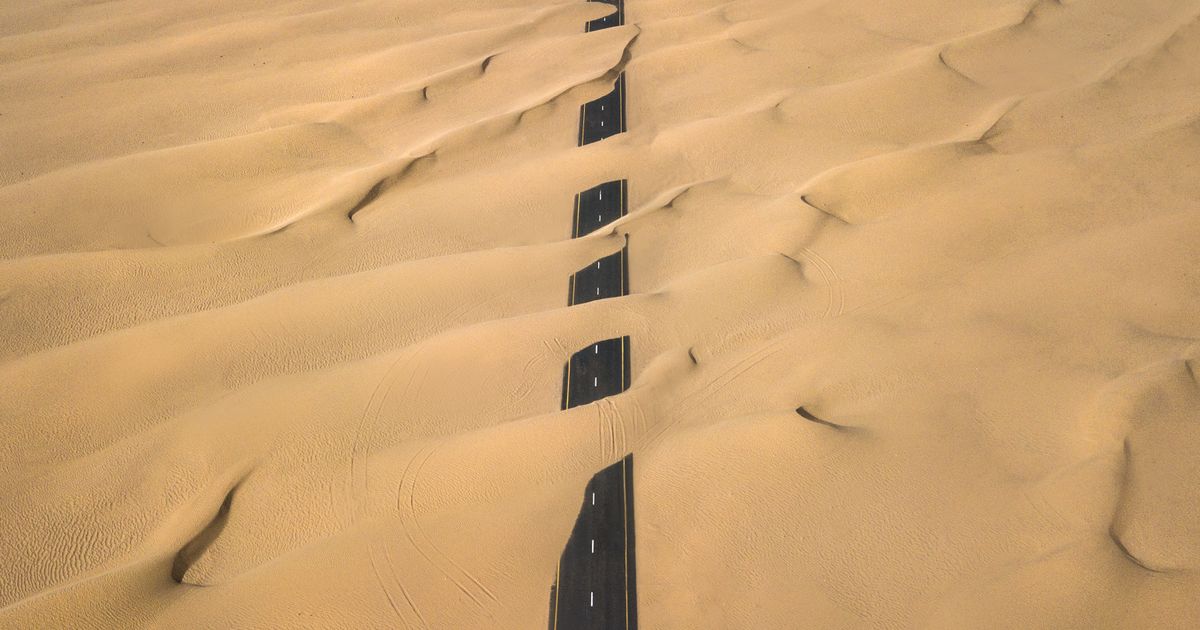
The Al Qudra cycle track is the natural starting point for anyone new to bike touring UAE. The route runs through open desert with views of native oryx and gazelle herds, passes Love Lake, and offers stunning sunrise and sunset backdrops. The surface is smooth tarmac with packed gravel shoulders. No technical skill required, just endurance and hydration.
Al Wathba Cycle Track, Abu Dhabi (Intermediate)
Distance: 96 km network | Elevation gain: minimal | Terrain: paved dedicated track | Time: 1 long day or easy overnight
Less crowded than Al Qudra and arguably more scenic, the Al Wathba track network near Abu Dhabi passes flamingo wetlands and the striking Fossil Dunes formation. The terrain is flat with gentle undulations. Riders who want a two-day experience can overnight in Abu Dhabi and combine the track with a coastal ride.
Hatta MTB Trails (Intermediate, Off-Road)
Distance: 52 km trail network | Elevation gain: moderate | Terrain: gravel, singletrack, rocky desert | Time: 1-2 days
The Hatta MTB Centre offers purpose-built trails through rocky desert terrain with views of Hatta Dam. Not all trails demand a mountain bike; the wider fire roads and gravel loops are perfectly rideable on a gravel bike with 38 mm+ tyres. Riders staying overnight in Hatta can combine a trail day with the Dubai-to-RAK transfer the following morning.
Jebel Jais Summit, RAK (Advanced)
Distance: 36 km climb (one-way) | Elevation gain: approximately 1,900 m | Terrain: smooth tarmac, steep gradients | Time: half-day up, fast descent
The highest road in the UAE climbs through Hajar Mountain switchbacks with gradients exceeding 10% in places. The road surface is excellent. At the summit, temperatures run 10-15 degrees cooler than sea level, which is a welcome relief even in winter. The descent alone makes the effort worthwhile. Disc brakes are strongly recommended for the hairpin turns.
Camels, Dunes, and Wadis Loop (Experienced, Multi-Day)
Distance: 175 km | Elevation gain: moderate | Terrain: mixed gravel, wadi crossings, remote tracks | Time: 2-3 days
This is the UAE's only true bikepacking loop, documented by bikepacking.com. The route crosses remote desert, wadi beds, and open dune terrain. Navigation skills and self-sufficiency are non-negotiable. Wild camping is part of the experience. Flash floods can turn wadis into rivers with little warning, so weather monitoring is essential. This route is not for beginners.
Route Comparison Table
| Route | Distance | Elevation Gain | Terrain | Difficulty | Days |
|---|---|---|---|---|---|
| Al Qudra Loop | 86 km | Minimal | Paved track | Beginner | 1 |
| Al Wathba, Abu Dhabi | 96 km | Minimal | Paved track | Intermediate | 1 |
| Hatta MTB Trails | 52 km | Moderate | Gravel/singletrack | Intermediate | 1-2 |
| Jebel Jais, RAK | 36 km (climb) | ~1,900 m | Tarmac | Advanced | 1 |
| Camels/Dunes/Wadis | 175 km | Moderate | Gravel/wadi | Experienced | 2-3 |
When Is the Best Time for Bike Touring in the UAE?
November through March is the only safe window for multi-day cycling, with daytime highs between 15 and 28 degrees Celsius and cool overnight temperatures ideal for camping or early starts.
Prime Window: December to February
Daytime temperatures sit between 18 and 25 degrees Celsius. Overnight lows drop to 12-16 degrees, comfortable for camping or early morning starts. Rain is rare. Wind is light. These three months offer the closest thing to perfect touring conditions.
Shoulder Months: November and March
Daytime highs can reach 30-32 degrees Celsius by midday, especially in November. Pre-dawn starts (departing by 5:30 AM) are essential for covering distance before the heat builds. Afternoon riding is inadvisable. March tends to be slightly more manageable than November, with lower humidity.
Avoid: June Through September
Daytime temperatures routinely exceed 45 degrees Celsius with punishing humidity. Heat exhaustion risk is extreme. No amount of hydration makes multi-day touring safe in these months. Save summer for indoor training.
Hydration Planning
A minimum of 1 litre per hour is the baseline during winter riding. Shoulder months demand 1.5 litres or more. Electrolyte tablets are essential in any month. Desert air dehydrates faster than most riders expect.
Flash Flood Risk
Wadis can flood with almost no warning during January and February rainfall events. Any route through Hatta or the Camels, Dunes, and Wadis loop requires a weather forecast check the morning of each riding day. Do not camp in wadi beds.
What Is the Best Bike for Touring the UAE?
A gravel bike is the strongest all-rounder for bike touring UAE, handling tarmac climbs, desert tracks, and wadi gravel on a single setup with drop bars and wide tyres.
Gravel bike (recommended for most tourers): Drop bars provide aerodynamic efficiency on long tarmac stretches. Tyre clearance for 32-42 mm rubber handles desert gravel and wadi crossings. Frame mounting points accommodate bikepacking bags. A single gravel bike covers four of the five routes in this guide. AK Bikes stocks pre-loved gravel bikes from brands like Specialized, Giant, and Factor at significant discounts compared to retail pricing.
Touring bike: A steel-frame touring bike with rack mounts is the better choice for fully loaded multi-day rides carrying 15+ kg of gear. The extra weight and stability suit the Camels, Dunes, and Wadis loop, where comfort over multiple days matters more than speed.
Mountain bike: Required for Hatta's technical singletrack trails. Overkill on tarmac routes and heavy for long-distance touring. Not recommended as a primary touring platform unless the entire trip is off-road.
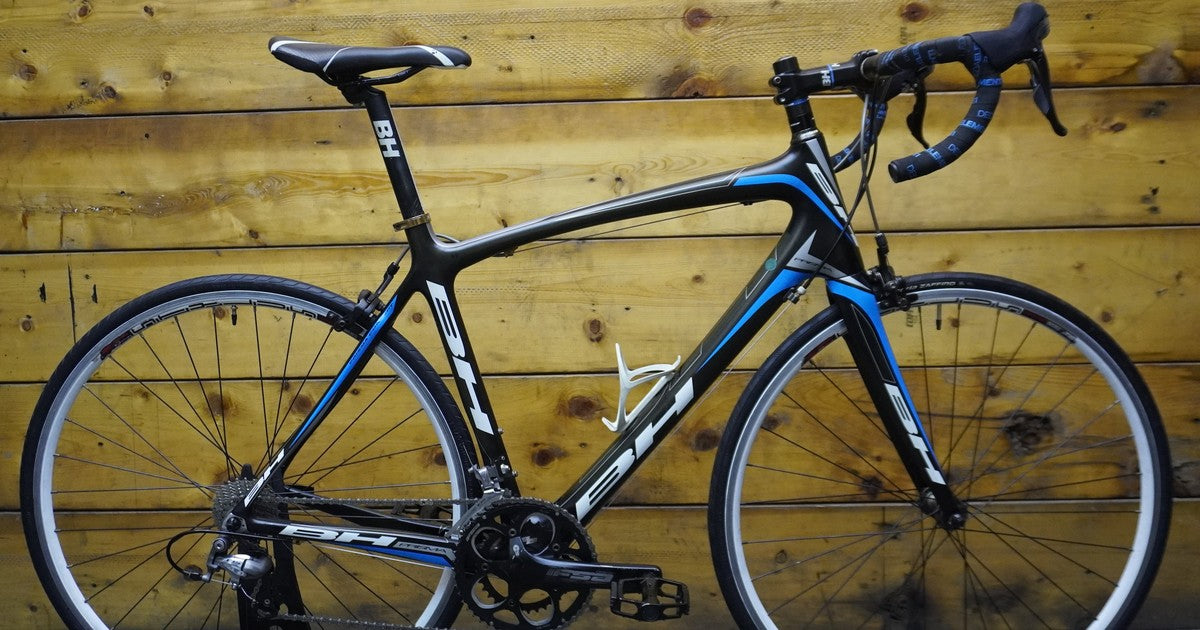
Road bike: Fine for Jebel Jais and the paved Al Qudra track, but immediately limited on any gravel section. Not versatile enough for mixed-terrain touring.
For riders who want to explore gravel biking in Dubai before committing to a multi-day tour, a day trip on gravel is the best test ride for bike touring UAE terrain.
Essential Gear for UAE Touring Conditions
UAE touring gear centres on hydration systems, sun protection, and navigation, since desert terrain offers few shade or resupply options between checkpoints.
Tyres
Run 38-40 mm for mixed terrain. Tubeless setups are recommended for puncture resistance on gravel and wadi rocks. For purely paved routes like Al Qudra or Jebel Jais, 32 mm is sufficient. For wadi crossings, go wider (40 mm+) with a more aggressive tread pattern.
Hydration
Carry a minimum 3-litre capacity: two bottles on the frame plus a hydration bladder in a frame bag or pack. Electrolyte tablets are not optional. Desert air strips moisture faster than humid climates, and riders often underestimate their intake needs.
Sun Protection
UV-rated arm sleeves, a neck gaiter, and a cycling cap under the helmet are baseline. Apply SPF 50+ sunscreen every 2 hours. Reflected UV from desert sand intensifies exposure significantly.
Navigation
Offline maps are critical in desert sections where cellular coverage drops entirely. Download GPX tracks for Hatta and wadi routes before departing. A dedicated cycling GPS unit (Garmin or Wahoo) is the most reliable navigation tool. Phone GPS works as backup but drains batteries fast.
Repair Kit
Pack a spare tube, tyre levers, mini pump, multi-tool, chain quick link, and a tyre boot. There are no bike shops between Al Qudra and Hatta. Self-sufficiency is not a luxury on UAE desert routes; it is a necessity.
Lighting
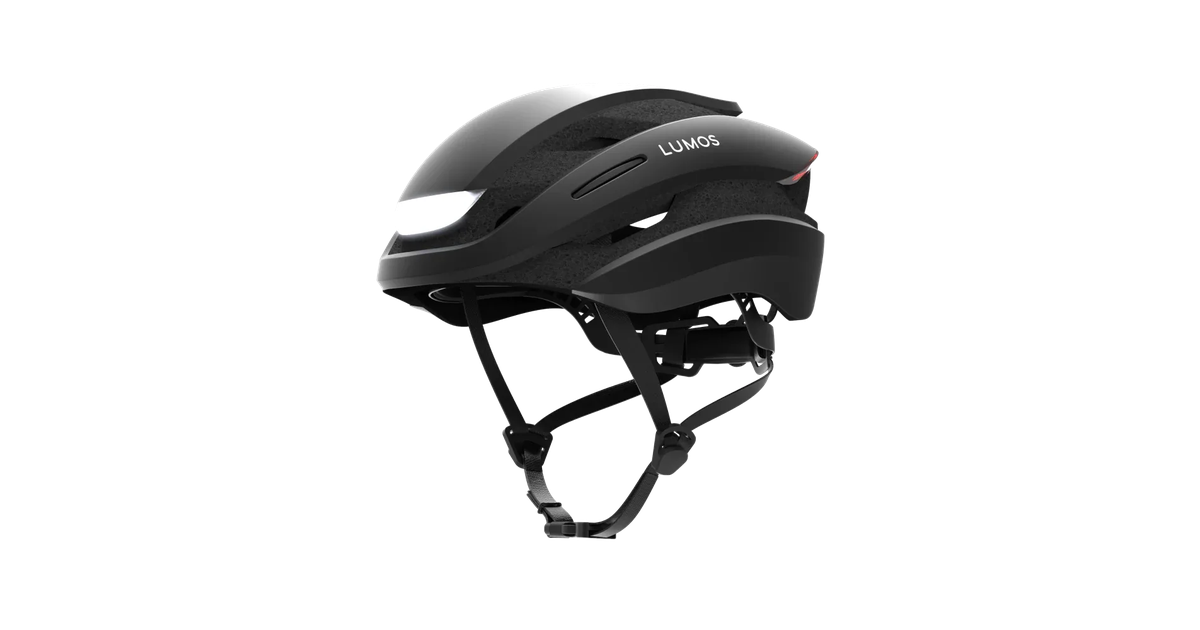
Front and rear lights are mandatory for dawn and dusk rides. Many tourers start before sunrise to beat the heat, and desert roads have minimal ambient lighting. A good cycling accessories setup makes early starts safer and more comfortable.
Sample 3-Day Touring Itinerary: Dubai to Jebel Jais
A practical 3-day route from Dubai covers Hatta's gravel trails on day one, a road and gravel transfer to RAK on day two, and the Jebel Jais summit climb on day three.

Day 1: Dubai to Hatta (Trails)
Most tourers drive the 1.5-hour transfer from Dubai to Hatta rather than riding the E44 highway, which is legal but monotonous and not particularly scenic. Arriving by midday leaves a full afternoon for 25-30 km of Hatta MTB trails on gravel-friendly loops.
Accommodation: Hatta Dome Park (glamping pods), Hatta Sedr Trailers (container-style cabins), or JA Hatta Fort Hotel (full-service hotel). Book during peak season (December-January) well in advance.
Day 2: Hatta to RAK (Transfer Day)
This is the longest and least scenic day, covering approximately 160 km on mixed road. The route runs via Masafi through the Hajar foothills, crossing between Fujairah and RAK along secondary roads with moderate traffic.
A car shuttle for this leg is a legitimate option. Many touring cyclists who want to focus on trails and the summit climb choose to drive this transfer and save their energy for day three.
Accommodation: Hotels in RAK city or guesthouses near the Jebel Jais base. The Hilton Garden Inn RAK and DoubleTree by Hilton Resort RAK are both close to the climbing start point.
Day 3: Jebel Jais Summit
Start before 7 AM for cooler temperatures. The 36 km climb gains approximately 1,900 m through switchbacks in the Hajar Mountains. The road surface is smooth and well-maintained. At altitude, temperatures run 10-15 degrees cooler than at sea level.
The descent is widely regarded as one of the best in the Middle East: long, sweeping, and fast. Disc brakes are strongly recommended for the steep hairpin sections.
After the descent, ride or drive back to RAK or directly to Dubai. This 3-day loop is the most practical introduction to bike touring UAE for intermediate riders.
Can You Rent a Gravel Bike for Touring in the UAE?
Yes. AK Bikes in Dubai rents gravel bikes from brands like Factor, Giant, and Specialized, letting touring visitors and first-timers ride without committing to a full purchase.
The active rental gravel fleet currently includes the Factor LS, Giant Revolt 2, Giant Revolt Advanced 2, Specialized Diverge, and Surly Straggler. That range covers everything from carbon race-oriented gravel to steel adventure builds, so riders can match the bike to their route profile.
For visitors touring for a week, renting avoids the cost and logistical headache of flying with a bike. Browse the full rental fleet or check gravel bike rentals for current availability.
Pick-up and drop-off service is available at AED 199 within Dubai and AED 399 to other emirates.
Riders who enjoy the touring experience and want a bike for future trips can explore AK Bikes' pre-loved gravel collection, where quality bikes from top brands sell at significant discounts compared to new retail pricing.
Frequently Asked Questions About Bike Touring UAE
These are the most common questions from cyclists planning their first multi-day ride in the UAE.
What is the best month for bike touring in the UAE?
January and February offer the best conditions, with daytime temperatures between 18 and 25 degrees Celsius, minimal rain, and light wind.
December is also excellent. November and March work with pre-dawn starts but can reach 30 degrees or higher by midday.
Can you wild camp in the UAE?
Wild camping is generally tolerated in remote desert and mountain areas outside nature reserves, though no formal permit system exists for it.
The Camels, Dunes, and Wadis loop relies on wild camping. Riders should stick to established bivvy spots, practice leave-no-trace principles, and avoid camping near military installations or private property.
Do you need a cycling permit to ride between emirates?
No permit is required. Cyclists can ride on public roads across all seven emirates, though motorway cycling rules vary between jurisdictions.
Stick to secondary roads where possible. Hatta, RAK, and Fujairah currently have the most cycle-friendly infrastructure in the country.
What tyre width works best for UAE desert gravel?
A 38-40 mm tyre offers the best balance between grip on loose gravel and rolling efficiency on tarmac sections.
For purely paved routes like Al Qudra and Jebel Jais, 32 mm is sufficient. For wadi crossings, go to 40 mm or wider with a more aggressive tread pattern.
Is it safe to cycle between emirates?
Yes, with proper route planning. Major highways have wide shoulders, and secondary roads between Hatta, RAK, and Fujairah see lighter traffic than urban Dubai.
Ride with front and rear lights at all times. Avoid cycling on motorways like the E11 and E311, where cycling is prohibited. Satellite imagery on Google Maps helps scout shoulder conditions before committing to a bike touring UAE route.
Conclusion
The November-to-March window makes the UAE one of a handful of winter touring destinations with reliable sunshine, mountain terrain, and growing cycling infrastructure.
A gravel bike handles four of the five routes covered in this guide on a single setup. The 3-day Dubai to Hatta to RAK to Jebel Jais itinerary is the most accessible multi-day route for intermediate riders looking to experience genuine bike touring UAE terrain without venturing into unsupported bikepacking.
For first-time tourers or visiting cyclists, renting a gravel bike removes the commitment barrier entirely. Browse AK Bikes' gravel bike rentals or explore the pre-loved gravel collection to find the right bike for the ride.

Leave a comment
This site is protected by hCaptcha and the hCaptcha Privacy Policy and Terms of Service apply.