
📑 Table of Contents
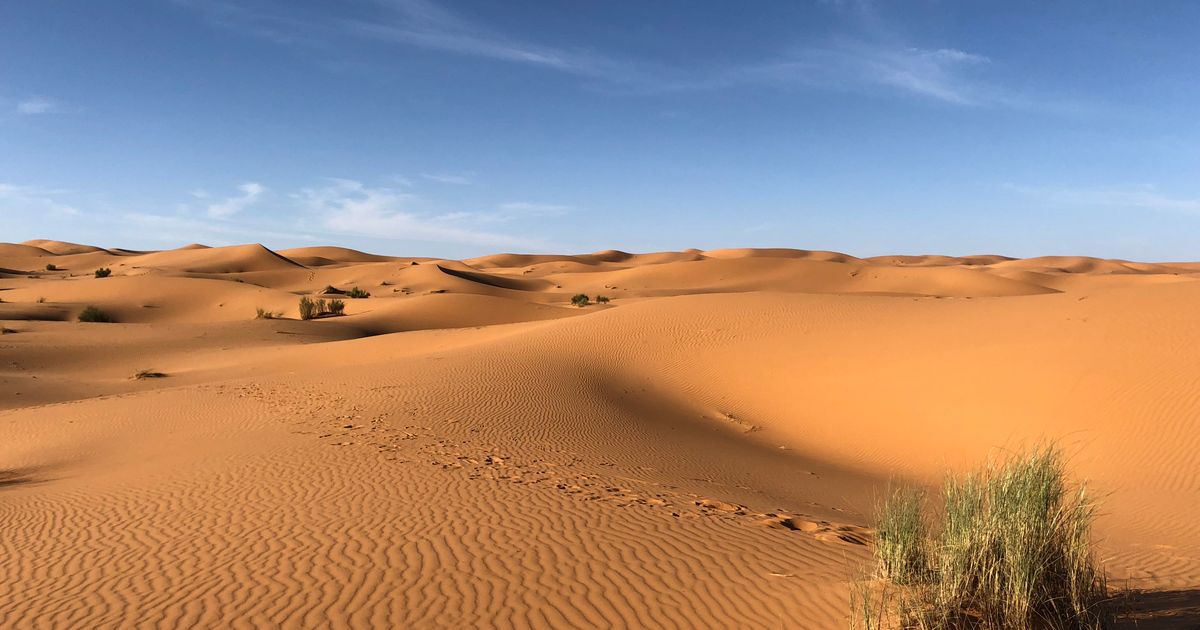
Dubai has over 4,000 square kilometres of open desert. The only bicycle designed to ride across all of it sits on tires nearly five inches wide.
Search for "fat bike Dubai" and the results are stacked with tour operator booking pages. None of them explain what a fat bike actually is, how the tires handle sand, where to ride independently, or where to buy one. This guide fills that gap with practical trail information, riding technique for UAE desert terrain, and honest buying advice.
What Is a Fat Bike and Why Does It Work on Desert Sand?
A fat bike is a bicycle with oversized tires, typically 3.8 to 5 inches wide, that float over soft surfaces like sand and loose gravel instead of sinking through them.
Standard mountain bike tires measure roughly 2 inches across. Fat bike tires run 3.8 to 5.0 inches, creating a contact patch 2-3 times wider. That extra width, combined with low air pressure between 4 and 8 PSI, spreads the rider's weight across a larger area of sand. The result is flotation rather than penetration.
Think of it like snowshoes versus boots. Boots punch through the surface. Snowshoes distribute weight and stay on top. Fat bike tires do the same thing on desert sand.
Why UAE Sand Demands Fat Tires
Desert sand in the UAE is finer than typical beach sand found in Europe or the Americas. Finer grains shift more easily under pressure, which means a standard 2-inch tire sinks almost immediately. Fat tires at low pressure spread that load wide enough to glide across the top.
Rigid aluminum frames with front and rear thru-axles keep the bike predictable on shifting terrain. No suspension is needed because the tires themselves absorb impacts at low pressure, flexing around rocks and ripples.
Where Can You Ride a Fat Bike in Dubai and the UAE?
Big Red, Mleiha, and Bab Al Shams offer the best fat bike terrain within 90 minutes of Dubai.

Big Red Dune Area (Al Haiyir)
Towering red sand dunes about 45 minutes southeast of Dubai along the E44 highway. Multiple tour operators run guided fat bike sessions here. The terrain is open enough for self-guided riding too, with a mix of steep dune faces and flatter corridors between ridgelines.
Mleiha (Sharjah)
Roughly 75 minutes from Dubai, Mleiha offers terrain that blends sand, exposed rock, and moderate gradients near Fossil Rock. The varied surface makes it a good test of fat bike versatility, moving between soft sand sections and firmer gravel patches in a single ride.
Bab Al Shams Area
The desert around Bab Al Shams resort features gentler dune profiles and organised fat bike experiences. For first-time desert riders, this is one of the more forgiving landscapes, with rolling rather than steep terrain.
Dubai Desert Conservation Reserve
Guided fat bike tours operate inside the Conservation Reserve, where riders pedal through dune corridors alongside Arabian oryx and stop under the shade of Ghaf trees. Access here requires a tour booking rather than independent entry.
Al Qudra (Off-Track)
The Al Qudra Cycling Track itself is an 86 km paved loop built for road and gravel bikes. The surrounding open desert beyond the track edges, however, offers soft sand terrain well suited to fat bikes. Riders familiar with the area sometimes bring fat bikes specifically to explore the dunes flanking the main route.
| Location | Distance from Dubai | Terrain Type | Best For |
|---|---|---|---|
| Big Red (Al Haiyir) | ~45 min | Steep red dunes, open corridors | Intermediate to advanced riders |
| Mleiha (Sharjah) | ~75 min | Mixed sand, rock, gradients | All levels, terrain variety |
| Bab Al Shams | ~40 min | Gentle rolling dunes | Beginners and first-timers |
| Desert Conservation Reserve | ~50 min | Guided dune corridors, wildlife | Tour-based riding only |
| Al Qudra (off-track) | ~35 min | Open desert flanking paved track | Self-guided exploration |
How Do You Ride a Fat Bike on Sand?
Riding a fat bike on sand requires low tire pressure (4-8 PSI), a rear-shifted body position, and steady momentum without sudden steering inputs.
Desert sand punishes bad habits instantly. A wrong tire pressure buries the front wheel. A sudden turn plants the bike sideways. Stopping on a dune slope means restarting from zero, and that restart might not happen. These four fundamentals keep the bike moving.
Tire Pressure Settings
- Firm packed sand: 6-8 PSI
- Loose, dry sand: 4-6 PSI
- Very soft powder sand: 2-3 PSI (experienced riders only)
Start at 6 PSI and adjust downward based on how much the front tire sinks. If the tire leaves a trench deeper than half an inch, drop another PSI. A portable gauge that reads below 10 PSI is essential for desert riding.
Body Position
Shift hips toward the rear of the saddle. This keeps the front wheel light enough to skim over sand rather than dig into it. A forward lean loads the front tire with extra weight, and on soft sand, extra weight means extra sinking.
Keep elbows slightly bent and grip the handlebars loosely. Rigid arms transmit every bump into steering corrections the front wheel does not need.
Steering Technique
Never force the handlebars sideways in sand. Sharp steering inputs bury the front tire edge and kill momentum instantly. Instead, steer by shifting shoulders and hips in the direction of the turn. The bike follows the body, and the wide tires track smoothly through the arc.
Momentum and Pacing
Sand creates immense rolling resistance compared to pavement or packed dirt. Maintain a steady, moderate cadence rather than alternating between bursts and coasting. Consistency matters more than speed. Research shows that fat bike riders maintain 35-45% higher average speeds on sand when using steady pacing versus variable intensity.
Plan ahead on dune slopes. Once momentum stops on a sandy incline, restarting is nearly impossible. Either commit to the climb or take a wider, more gradual line around the dune face.
Heat and Hydration
UAE desert riding carries serious heat exposure risk even in cooler months. Carry at least 1.5 litres of water per hour of riding. Start rides before 8 AM between October and April. Sand surface temperatures can exceed 60 degrees Celsius by midday, even during winter, radiating heat upward that air temperature readings do not capture. Dehydration occurs 25-30% faster on sand due to the reflective heat.
Electric Fat Bike Tours vs. Mechanical Fat Bikes
Electric fat bike tours offer guided desert experiences with 50-70% motor assistance, while mechanical fat bikes deliver rider-powered exploration with complete freedom.
Both formats put riders on wide tires in the desert. The experience, however, is fundamentally different.
Electric tours use pedal-assist motors that reduce physical effort by 50-70%. A guide leads the group along a set route, typically lasting 1 to 2.5 hours. Pricing ranges from AED 200 to AED 500+ per person depending on the operator and duration. For tourists and first-time desert riders, these tours are a solid introduction.
Mechanical fat bikes have no motor. Every dune, every metre of soft sand, is powered by the rider. There is no fixed route, no group pace, and no time limit. The reward is a genuine cycling workout and the freedom to explore terrain at will.
The trade-off is straightforward. Electric tours remove the physical challenge but also remove the sense of accomplishment. Pedalling a mechanical fat bike through deep sand under personal effort is a distinctly different kind of satisfaction.
| Feature | Electric Fat Bike Tour | Mechanical Fat Bike |
|---|---|---|
| Power source | Pedal-assist motor | Rider only |
| Typical duration | 1-2.5 hours (fixed) | Unlimited (self-paced) |
| Route freedom | Guided, fixed route | Complete freedom |
| Fitness required | Low to moderate | Moderate to high |
| Cost per ride | AED 200-500+ per session | One-time purchase or rental fee |
| Best for | Tourists, first-timers | Cycling enthusiasts, repeat riders |
Can You Buy or Rent a Fat Bike in Dubai?
AK Bikes stocks the Scott Big Jon fat bike at AED 3,999, plus rentals for test rides.
Buying a Fat Bike
Fat bikes are a niche category in the UAE market. Most large sports retailers carry road, hybrid, and mountain bikes but skip fat bikes entirely. AK Bikes is one of the exceptions.
The Scott Big Jon is currently in the AK Bikes fat bike collection at AED 3,999. It is a rigid aluminum frame with 26x4.8-inch Schwalbe Jumbo Jim tires, Shimano hydraulic disc brakes, and thru-axles on both wheels. The bike weighs approximately 15.7 kg and handles desert sand, gravel, and rocky terrain equally well.
Renting a Fat Bike
For riders who want to test desert riding before committing to a purchase, AK Bikes offers fat bike rentals. Renting is a practical first step for several reasons:
- Pressure testing: Different sand conditions need different tire pressures. A rental session teaches pressure management faster than any guide.
- Body position calibration: Finding the right hip-back, loose-grip balance takes practice. Better to learn on a rental than wonder if the bike suits the terrain.
- Terrain preference: Some riders prefer the steep dunes of Big Red. Others enjoy the mixed surface of Mleiha. A rental helps narrow the preference before buying.
AK Bikes stocks all pre-loved bikes as certified and professionally serviced, including their fat bike inventory. Every bike passes through a full mechanical check before it reaches the showroom floor at their Umm Ramool store.
Why Pre-Loved Fat Bikes Make Sense
New fat bikes from premium brands carry retail prices north of AED 6,000. Pre-loved options from AK Bikes offer the same frame quality, tire specifications, and component reliability at a significant discount. For a category where many riders are still testing whether desert cycling fits their lifestyle, the lower entry cost removes a major barrier.
Frequently Asked Questions About Fat Bike Dubai
These are the most common questions riders ask before their first fat bike experience in Dubai.
Can you ride a fat bike on sand?
Yes. Fat bikes are specifically designed for soft surfaces like sand. Their 3.8 to 5-inch tires at low pressure (4-8 PSI) create a wide contact patch that floats over sand instead of sinking. They are the only bicycle category built for this terrain.
How much does a fat bike cost in Dubai?
The Scott Big Jon fat bike is available at AK Bikes for AED 3,999 as a certified pre-loved option. New fat bikes from brands like Surly, Trek, and Salsa typically range from AED 5,000 to AED 12,000+ at full retail pricing. Pre-loved options bring that entry point down considerably.
Where can I try a fat bike in Dubai?
AK Bikes offers fat bike rentals from their store in Umm Ramool, Dubai. Several desert tour operators also run guided electric fat bike experiences at locations like Big Red and the Dubai Desert Conservation Reserve.
What tire pressure should I use for desert sand?
Start at 6-8 PSI on firm packed sand and drop to 4-6 PSI for loose, dry sand. Very experienced riders sometimes go as low as 2-3 PSI for maximum flotation on powder-soft terrain. A low-range pressure gauge (readable below 10 PSI) is essential.
When is the best time to ride a fat bike in Dubai?
October through April offers the best conditions. Morning temperatures sit between 18 and 28 degrees Celsius, and the sand has not yet absorbed the day's heat. Avoid May through September entirely, when sand surface temperatures exceed 60 degrees Celsius and heat exhaustion risk is extreme.
Conclusion
Fat biking in Dubai delivers authentic desert cycling on terrain purpose-built for wide tires and low PSI.
Fat bike tires (3.8-5 inches) at 4-8 PSI float over UAE desert sand where standard bikes sink immediately. The UAE's 4,000 square kilometres of open desert offers terrain within 90 minutes of the city centre, including Big Red, Mleiha, and Bab Al Shams. Mechanical fat bikes deliver complete route freedom and personal control compared to guided electric tours.
Key takeaways:
- Fat bike tires (3.8-5 inches) at 4-8 PSI float over UAE desert sand where standard bikes sink immediately
- Big Red, Mleiha, and Bab Al Shams all offer rideable desert terrain within 90 minutes of Dubai
- Mechanical fat bikes deliver a fundamentally different experience from electric tour packages
- AK Bikes carries the Scott Big Jon (AED 3,999) and offers fat bike rentals for test rides
The October-to-April riding window is open now. Browse the AK Bikes fat bike collection or book a fat bike rental to test the sand firsthand. The desert is 45 minutes away and the tires are wide enough to ride it.

Leave a comment
This site is protected by hCaptcha and the hCaptcha Privacy Policy and Terms of Service apply.